 |
| Click image above to enlarge |
Saturday, September 7, 2013
Regina Labour Poster
I would guess this poster to be from the late 1940s to early 1950s. Note Henry Baker, mayor of Regina from 1959 - 1979 and Bill Beeching, Saskatchewan leader of the Communist Party of Canada and Hub Elkin. Any more identities you can let me know about? - NYC.


Wednesday, September 4, 2013
Privatizing health care, piece by piece
BY PAT ATKINSON
 SEPTEMBER 4, 2013
It now appears certain that Premier Brad Wall and his Saskatchewan Party government have decided to stop being so timid about the privatization of our province's health system.
Sources say the Wall government is now in serious discussions with business and health regions about contracting out or privatizing all services in our publicly funded health system that do not provide direct patient care. It looks as though many of our fellow citizens who work in maintenance, housekeeping, food services, laboratories, diagnostic imaging and health records in health facilities across our province are going to have their jobs taken over by private sector companies and their employees.
THE STAR PHOENIX
 SEPTEMBER 4, 2013
It now appears certain that Premier Brad Wall and his Saskatchewan Party government have decided to stop being so timid about the privatization of our province's health system.
Sources say the Wall government is now in serious discussions with business and health regions about contracting out or privatizing all services in our publicly funded health system that do not provide direct patient care. It looks as though many of our fellow citizens who work in maintenance, housekeeping, food services, laboratories, diagnostic imaging and health records in health facilities across our province are going to have their jobs taken over by private sector companies and their employees.
Monument: Cold War throwback
On the so-called “Monument to Victims of Communism”
Issued by the Central Executive Committee,Communist Party of Canada
September 3, 2013
The Communist Party of Canada is appalled that the federal Conservative government will provide a massive taxpayer donation of $1.5 million under Citizenship and Immigration’s Inter-Action program, to help build a so-called “monument to victims of communism” in Ottawa. Despite opposition, approval has previously been

The monument project is a throwback to the sordid era of the Cold War, which resulted in a wave of anti-communist frenzy, RCMP spying, witch-hunts, blacklisting, social ostracism, imprisonment and deportations against many progressive-minded Canadians. Such policies had a terrible “chilling effect” on public discourse and sharply curtailed the freedom of expression and associated democratic and trade union rights of all Canadians. The sponsors of this monument are now attempting to revive this tragic McCarthyist era of red-baiting, which had been tossed into the dustbin of history.
Monday, September 2, 2013
More CCF Posters for Sale!

"Humanity First" CCF Poster. Professionally matted and framed. $150.00 plus S&H. No S&H and free delivery in Regina though. Click image to enlarge.

M. J. Coldwell poster. National leader of CCF. Professionally framed. $105.00 plus S&H. No S&H and free delivery in Regina though. Click image to enlarge.
Email doug.taylor@sasktel.net to order.
Tuesday, August 20, 2013
The Regina Riot - Video
A Documentary by Ben Lies. (Badlands Productions, 2010).
Produced in commemoration of the 75th anniversary of the On-to-Ottawa Trek.
Produced in commemoration of the 75th anniversary of the On-to-Ottawa Trek.
CCF Posters for Sale
I tried selling these to local antique dealers. Two didn't know what the CCF was and weren't interested. The third one did but said they were too political and that "politics in this province can be dangerous" and also wasn't interested. I think I responded by stating that we don't have politics in Saskatchewan anymore but the posters were from a time when we did. - NYC
FOR SALE - $50.00 each or both for $90.00. Free delivery within Regina, otherwise s&h added.
To order, email doug.taylor@sasktel.net
FOR SALE - $50.00 each or both for $90.00. Free delivery within Regina, otherwise s&h added.
To order, email doug.taylor@sasktel.net
 |
| Click image to enlarge |
Tuesday, June 25, 2013
On the 40th anniversary of the expulsion of the Waffle
RABBLE.CA
JUNE 25, 2012
 This past weekend, June 24, marked the 40th anniversary of the expulsion of the Waffle from the NDP.
The Waffle, (actually the Movement for an Independent Socialist Canada), for those who do not know it, was a grouping of socialists, nationalists, feminists and activists that was formed in 1969 within the NDP. It was, broadly speaking, led by James Laxer* and Mel Watkins.
The Waffle was ahead of its time in many respects. In one instance, spearheaded by Krista Maeots*, the Waffle was the first group to propose the notion of gender equity within the governing structures of the NDP. Even though it was only proposed in a limited form, it was opposed and voted down by the party hierarchy, including the eventual Lewis leadership.
The Waffle also fought for the nationalization of much of Canada's resource sector and American-owned industries, sought to fight continental economic integration and sought to work towards a radically socialist Canadian economic and social strategy.
Monday, June 17, 2013
Dr. Margaret Mahood fought for Medicare in Saskatchewan
Just in case you missed this fine obituary in the Globe - NYC
Special to The Globe and Mail
Published Monday, Jun. 17 2013

Dr. Margaret Mahood was the deputy superintendent of the North Battleford Mental Hospital when she was recruited to work at the new Saskatoon Community Clinic. As a socialist and a psychiatrist, Dr. Mahood supported the Medicare plan and relocated to Saskatoon. She put on her general practitioner’s hat and set up her practice at the so-called “commie” clinic.
The idealistic psychiatrist joined forces with Dr. Joan Witney-Moore, and on July 3, they opened the doors to the clinic with only their medical bags, and folding tables topped with mattresses employed as examining tables.
Socialized medicine in Canada was ahead of its time, and the Medicare program wasn’t granted an easy birth. Neither was the wife of Allan Blakeney, the health minister. He scrambled to get services for his very pregnant wife, Anne. But her Medicare-supporting doctor wasn’t afforded hospital privileges, so their baby was born at home.
Saturday, May 25, 2013
Harper: Helping the rich get richer around the world
By Yves Engler

May 25, 2013
If the Harper government were honest about its policies, it would proclaim for all to hear: “Our goal is to make the rich richer.”
Many Canadians would agree that has been the effect of Conservative domestic policies, but may be surprised to learn it is also true in international affairs.
“Austerity should not be abandoned, says Canada’s finance minister,” blared a headline in London’s Financial Times earlier this month. Before recent G7 meetings Jim Flaherty told the international business paper he was worried that some officials were “pulling back” from slashing public spending and pursuing deficit targets.
If the Harper government were honest about its policies, it would proclaim for all to hear: “Our goal is to make the rich richer.”
Many Canadians would agree that has been the effect of Conservative domestic policies, but may be surprised to learn it is also true in international affairs.
“Austerity should not be abandoned, says Canada’s finance minister,” blared a headline in London’s Financial Times earlier this month. Before recent G7 meetings Jim Flaherty told the international business paper he was worried that some officials were “pulling back” from slashing public spending and pursuing deficit targets.
A Cuban Spring?
By Roger Burbach
NACLA News
Apr 29 2013This is a fruitful period of experimentation and debate in Cuba. It is now almost seven years since Raúl Castro replaced his brother Fidel, first as interim president in 2006 and then as president in 2008. Under Raúl, the country is taking steps to transform the economy, and a critical discussion is erupting over the dismantling of the authoritarian Communist model. Julio Díaz Vázquez, an economist at the University of Havana, declares: “With the updating of the economic model, Cuba faces complex challenges . . . in its social and political institutions. . . . The heritage of the Soviet model makes it necessary to break with the barriers erected by inertia, intransigence, [and] a double standard.” He adds, “These imperfections have led to deficiencies in [Cuba’s] democracy, its creative liberties, and its citizens’ participation.”1
Among the most important changes that have echoed internationally is the decree that took effect January 14 allowing Cubans to travel abroad without securing a special exit permit. Also, homes and vehicles can now be bought and sold openly, recognizing private ownership for the first time since the state took control of virtually all private property in the early 1960s.
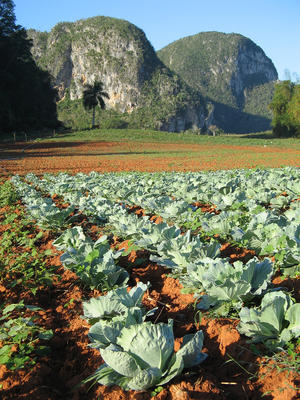
The government is distributing uncultivated land, which constitutes about half of the countryside’s agriculturally viable terrain, in usufruct for 10 years in 10-hectare parcels with the possibility of lease renewal. To date there are 172,000 new agricultural producers. Beyond agriculture, 181 occupations filled by self-employed or independent workers such as food vendors, hair stylists, taxi drivers, plumbers, and shoe repairmen can now be licensed astrabajo por cuenta propia—self-employment. As of late 2012, about 380,000 people are self-employed in a work force of 5 million.
Sunday, May 19, 2013
Dr. Margaret Charlotte Mahood Passes
Published in The The Star Phoenix on May 16, 2013

Dr. Margaret Mahood (nee Fisher), 94, died peacefully May 11, 2013. Receiving loving care in the home of her daughter and son-in-law, Sally Mahood and John Conway, Margaret's last year of decline was enriched by many visits from her son, Robbie Mahood of Montreal, her many grandchildren, her great-grandchildren, and a few close friends. She was born June 14, 1918, and raised in Alameda, Saskatchewan. The eldest of three daughters who maintained close lifelong relationships, Margaret excelled academically and went on to university.
Margaret was among a small number of pioneering feminists, contributing to the early shattering of many glass ceilings faced by the women of her era. She began her career as a teacher, and while teaching in Rockglen, Saskatchewan, met fellow teacher Ed Mahood. They married in 1942 and had two children, Robbie in 1946 and Sally in 1950. With the devoted support of Ed, Margaret later studied medicine at the University of Saskatchewan and then McGill, one of a handful of women in the graduating class of 1955. She went on to specialize in psychiatry.
Dr. Margaret Mahood (nee Fisher), 94, died peacefully May 11, 2013. Receiving loving care in the home of her daughter and son-in-law, Sally Mahood and John Conway, Margaret's last year of decline was enriched by many visits from her son, Robbie Mahood of Montreal, her many grandchildren, her great-grandchildren, and a few close friends. She was born June 14, 1918, and raised in Alameda, Saskatchewan. The eldest of three daughters who maintained close lifelong relationships, Margaret excelled academically and went on to university.
Margaret was among a small number of pioneering feminists, contributing to the early shattering of many glass ceilings faced by the women of her era. She began her career as a teacher, and while teaching in Rockglen, Saskatchewan, met fellow teacher Ed Mahood. They married in 1942 and had two children, Robbie in 1946 and Sally in 1950. With the devoted support of Ed, Margaret later studied medicine at the University of Saskatchewan and then McGill, one of a handful of women in the graduating class of 1955. She went on to specialize in psychiatry.
Sunday, May 5, 2013
Ohio
SADLY, NEIL YOUNG’S OHIO STILL RELEVANT 43 YEARS AFTER KENT STATE MASSACRE
It was 43 years ago today that four students were killed at Kent State University, shot dead by the Ohio National Guard as they protested US military involvement in Cambodia. The bloody tragedy would move Neil Young to write the timeless protest song Ohio, which was recorded and heard on the radio within weeks of the incident.
In his liner notes for the song on his later Decade retrospective, Young would call the massacre “probably the biggest lesson ever learned at an American place of learning.” In our current political climate where dissent in increasingly repressed and criminalized, including here in Canada let us make sure we do not forget this lesson.
Tuesday, April 30, 2013


Monday, April 29, 2013
Retro Waffle: "For a Socialist New Brunswick":
The New Brunswick Waffle, 1967-1972
 In 1970, several members of the New Brunswick New Democratic Party (NDP) formed a New Left/Trotskyist group within the party known as the New Brunswick Waffle. The NB Waffle gained significant strength within the NB NDP, eventually securing a victory for its radical manifesto, "For a Socialist New Brunswick," at a party convention in September 1971. A dispute, however, erupted over the legality of this victory, which led to a two-month split within the party that required intervention on the part of the federal NDP. By the end of 1971 the NB Waffle had itself fractured and collapsed.
THE POLITICAL FERMENT OF THE late-1960s and early-1970s was global in scope, and New Brunswick was not exempt from the radicalism of the era. The New Brunswick Waffle was a group that represented one of the more prominent and significant manifestations of leftist radicalism in the province during the period, and it served as a catalyst for some of the most dramatic events in the province’s political history. The group was a New Brunswick variation on Canadian, continental, and global political trends of the time and sought to introduce New Left and radical socialist critiques to the specific circumstances of New Brunswick; it also fused the Old Left and New Left in the province for the first time.
Patrick Webber
University of New Brunswick
Abstract
University of New Brunswick
Abstract
 In 1970, several members of the New Brunswick New Democratic Party (NDP) formed a New Left/Trotskyist group within the party known as the New Brunswick Waffle. The NB Waffle gained significant strength within the NB NDP, eventually securing a victory for its radical manifesto, "For a Socialist New Brunswick," at a party convention in September 1971. A dispute, however, erupted over the legality of this victory, which led to a two-month split within the party that required intervention on the part of the federal NDP. By the end of 1971 the NB Waffle had itself fractured and collapsed.
THE POLITICAL FERMENT OF THE late-1960s and early-1970s was global in scope, and New Brunswick was not exempt from the radicalism of the era. The New Brunswick Waffle was a group that represented one of the more prominent and significant manifestations of leftist radicalism in the province during the period, and it served as a catalyst for some of the most dramatic events in the province’s political history. The group was a New Brunswick variation on Canadian, continental, and global political trends of the time and sought to introduce New Left and radical socialist critiques to the specific circumstances of New Brunswick; it also fused the Old Left and New Left in the province for the first time.
During its short lifespan (1970-71), the NB Waffle also managed to precipitate a split within the New Brunswick New Democratic Party (NDP) that had a host of ripple effects on the province’s leftist community as well as anticipating several trends that would emerge on New Brunswick’s political scene during the 1970s such as increased environmental concerns and skepticism about prevalent economic development schemes. Finally, the group made a small but important contribution to the province’s leftist community via generating awareness about the New Left within the provincial NDP. Until recently, however, the NB Waffle has been neglected as a topic of historical inquiry, as almost all of the previous work on the Waffle has focused on the organization in Ontario with some mention of the Waffle in Saskatchewan.
Read the full article HERE.
Building Workers’ Power: ITUC May Day statement 2013
International Trade Union Confederation
29 April 2013

29 April 2013
Working people are facing sustained and often brutal attacks on their rights in every region of the world. Inequality and unemployment are hitting record levels, as governments continue to follow the failed and destructive policy of austerity-at-any-cost, and the onslaught against collective bargaining continues. The future of an entire generation of young people is at serious risk.
Corporate greed runs unchecked, costing the lives of thousands of workers, most recently in Bangladesh and Pakistan as factories burn and collapse. Trade unionists in Colombia, Guatemala and elsewhere are paying the ultimate price for their commitment to social justice, while Turkish workers face the heavy hand of judicial repression for standing up for their rights.
The promise of transformation in the Arab world is being betrayed by the replacement of one form of autocracy by another. Decades of social progress in European countries are being wiped out by the untrammelled power of global finance, while people across Africa continue to suffer under neocolonial plunder and corruption.
Discrimination against women at work is still pervasive, while migrant workers are exploited, abused and treated as slaves, even in some of the richest countries of the world.
The spirit of solidarity that inspired the first May Day marches, and has sustained trade unionism ever since, remains strong. It is more needed than at any time in decades. Our movement must grow, to foster and harness that spirit to counter the false promise of neo-liberalism.
We must build workers’ power.
Workers everywhere are showing their resilience in the face of model of globalisation designed to benefit the rich at the expense of the poor. Through their unions they are winning new gains for working people. Hundreds thousands of informal workers in India are building their unions, domestic workers across the globe are gaining labour rights for the first time in history, and unions are leading political and community action for development, sustainability and social justice in every part of the world.
Where governments turn their backs on working people, unions must organise.
Where company bosses pit worker against worker, unions must organise. We must grow in number and in strength, taking inspiration from those who stand today, and have stood in years gone by, steadfast against repression and the avarice of the few at the expense of the many.
This May Day 2013, we must rededicate ourselves to the enduring vision of the foremothers and forefathers of the greatest democratic power on the planet – the power of working people, united and determined to make the world a better place.
Corporate greed runs unchecked, costing the lives of thousands of workers, most recently in Bangladesh and Pakistan as factories burn and collapse. Trade unionists in Colombia, Guatemala and elsewhere are paying the ultimate price for their commitment to social justice, while Turkish workers face the heavy hand of judicial repression for standing up for their rights.
The promise of transformation in the Arab world is being betrayed by the replacement of one form of autocracy by another. Decades of social progress in European countries are being wiped out by the untrammelled power of global finance, while people across Africa continue to suffer under neocolonial plunder and corruption.
Discrimination against women at work is still pervasive, while migrant workers are exploited, abused and treated as slaves, even in some of the richest countries of the world.
The spirit of solidarity that inspired the first May Day marches, and has sustained trade unionism ever since, remains strong. It is more needed than at any time in decades. Our movement must grow, to foster and harness that spirit to counter the false promise of neo-liberalism.
We must build workers’ power.
Workers everywhere are showing their resilience in the face of model of globalisation designed to benefit the rich at the expense of the poor. Through their unions they are winning new gains for working people. Hundreds thousands of informal workers in India are building their unions, domestic workers across the globe are gaining labour rights for the first time in history, and unions are leading political and community action for development, sustainability and social justice in every part of the world.
Where governments turn their backs on working people, unions must organise.
Where company bosses pit worker against worker, unions must organise. We must grow in number and in strength, taking inspiration from those who stand today, and have stood in years gone by, steadfast against repression and the avarice of the few at the expense of the many.
This May Day 2013, we must rededicate ourselves to the enduring vision of the foremothers and forefathers of the greatest democratic power on the planet – the power of working people, united and determined to make the world a better place.
Subscribe to:
Posts (Atom)